
Our prickly neighbours- meet the local hedgehog heroes
Updated: May 30, 2025

Patrick was bought into Lowton Hedgehog rescue underweight and infected with parasites. With treatment, some good food and a warm temporary home, he'll soon be ready to return to the wild. Photo by Lynda Stubbs.
Today is National Hedgehog Day, one of my favourite environmental days in the year and definitely deserving of its own post. The hedgehog is a beautiful, iconic and charismatic species that are without a doubt one of the most interesting little creatures we have in the UK. I have a special place in my heart for the hedgehog, as a kid everything I owned was hedgehog themed, with prints and photos in my bedroom, hedgehog stationery and hedgehog room accessories. During my time at school I volunteered at a wildlife rescue centre in Kent, working mainly in the extremely busy hedgehog unit, cleaning enclosures and weighing and monitoring adult and baby hogs. When I started my BSc Zoology degree at university, I quickly became involved in monitoring hedgehogs on campus using footprint tunnels, traps and tagging, checking for parasites and removing ticks, and when it came time to choose a dissertation project, I jumped at the chance to study hedgehogs academically. My project featured data on almost 20000 hedgehog admissions to wildlife rescue centres, looking at their survival and considering whether these data could be used to monitor the ups and downs of wild hedgehog populations. And now I have a daughter, I can start encouraging her to be a little hedgehog lover too!
I'm sure the hedgehog needs no introduction, but these fascinating nocturnal creatures are the only British species to have a covering of spines, and one of the few British mammals that hibernate through the winter (the others being the dormouse and bats). But their place as the UK's most popular mammal hasn't stopped their population declining by around 30-50% in the past twenty years. The hedgehog is listed as vulnerable to extinction on Britain's Red List of mammals, and is a species of biodiversity importance. Changes in habitat, such as an increase in intensively farmed land, removal of hedgerows, more structured, 'tidy' gardens and woodland removal has dramatically reduced the area available for hedgehogs to live and move around. Increased use of pesticides such as slug pellets also means there's less insects available, and more roads means more hedgehog deaths and injury- it's a bleak outlook. But not all hope is gone, across the UK, wildlife rescue centres such as Lowton Hedgehog Rescue are there to be the heroes our hogs need.

Ollie is another juvenile hedgehog taken in by Lowton Rescue, seen out during the day so bought in for treatment. Underweight and full of parasites, he's now getting the care and treatment he needs. Photo by Irene Thomson.
I moved house recently, and was incredibly inspired when I came across this local rescue group, which not only helps hedgehogs in need but also brings the community together through a love of hedgehogs. With a following of over 3000 people on Facebook, Lowton Hedgehog Rescue seems to be a hub of hedgehog love, a fountain of knowledge and advice, and real community spirit. The rescue takes in hedgehogs that are in need of help; from those that are underweight and in need of supplementary feeding and parasite treatment to those with obvious injuries or disease.
Irene Thomson, together with her team of hedgehog heroes, including Lynda who runs a satellite branch nearby, local fosterers and vets; give hedgehogs taken in by the rescue the best chance of being returned to the wild when they're all recovered, helping to keep the local population of hedgehogs healthy and strong. Hedgehog-loving community members like Della (the 'crazy hog lady' to her neighbours) who has been tagging, weighing and de-ticking for many years and caring for hogs overnight after vet visits, are the grassroots champions that allow the rescue to carry out it's vital work. As well as assisting the rescue, Della has encouraged all of her neighbours to make their gardens hedgehog friendly, showing how every individual can make a big impact to save local hedgehogs. Lowton Hedgehog Rescue is truly a shining example of how a community can come together to help wildlife.
Some of the hedgehogs that have been helped by the rescue. Photos [left to right] by Elaine Hollis, Sarah Summerton and Mick Tennent, just a few of the local community helping hedgehogs in need.
I spoke with Irene Thomson about the rescue, and what we can do to help hedgehogs...
When did Lowton hedgehog rescue start and how did it come to be?
"My first encounter with a hedgehog was in the summer of 2012. It was found by my neighbour during the daytime and they asked if I knew what to do. So I found a hedgehog rescue in Warrington to take it to and that began my journey of ‘hedgehog rescue’. I started by helping out at this rescue, fostering the hogs once healthy, and overwintering ones that needed safeguarding till Spring. I also helped with fundraising activities and their social media. I made changes to my garden and installed hogboxes and feeding stations to help the local hog population and was soon encountering many hogs paying their nightly visits to my garden (i.e. empty feeding stations and lots of hog poo).
The Warrington rescue had to close down in 2013 due the founder’s ill health. Obviously this meant a lack of a rescue in the area and I took it upon myself to start Lowton Hedgehog Rescue with the guidance and mentoring of the Warrington founder. I attended various wildlife courses and contacted local vets for medical support with medications, x-rays and surgeries. Lowton HR quickly grew from an initial capacity of 10 hogs to the current 45 hogs at any one time. With a team of volunteers, who can foster and overwinter hogs, there can be over 100 hogs under the ‘umbrella’ of the rescue".
What are the main problems facing hedgehogs at the moment?
"There are a number of ‘human’ impacts which affect a hedgehog’s natural needs – the main one being habitat loss. Gardens can be too tidy; large areas of paving/concrete; gravel boards at the base of fencing; overuse of pesticides; uncovered drains/deep holes/ditches; plant/games netting; lethal use of strimmers and lawn mowers; and ponds with no escape routes. More hedgehogs are living an urban life rather than a rural one, but very often a rural ‘environment’ has more dangers and encumberments.
Hedgehogs do get illnesses via internal parasites which come from their natural food source – generally they can cope with a low level of parasites but if they become injured, dehydrated, or stressed then these parasites can multiply creating a burden for an animal already impacted by its other issues.
"More hedgehogs are living an urban life rather than a rural one, but very often a rural environment has more dangers and encumberments"
Disturbance of a nest can be one of these issues, especially if it’s a nursing mother with hoglets. She may kill or abandon her young. Hedgehogs breed twice a year and usually have between 2 and 6 hoglets, so if a mother abandons her young that means orphaned youngsters who will perish without her.
Natural predators of hedgehogs are badgers and foxes (but only when natural food sources are low). But more often it is dogs who may only be curious but will often actually inflict injury to the hedgehog and occasionally kill them too.
There is also the issue of roads which is the main reason for hedgehog deaths, especially in Spring when they emerge from hibernation. As hedgehogs become more urban, these deaths appear to be increasing. It must be noted though, that as the animals are nocturnal there should be less traffic but the darkness means they are harder to actually see".

Hazel was underweight on admission and unwell after being found at someone's garden feeding station. After being warmed in the incubator, treated for parasites and given lots of tasty food, she is now spending winter in a warm hutch of hay to continue gaining weight and learn important nest-building skills ready for release in the Spring. Photo by Lynda Stubbs.
What are some warning signs that a wild hedgehog might need help?
"Hedgehogs are nocturnal and awake at dusk and return to their nests before dawn. Therefore a hedgehog seen during daylight hours indicates that it has a potential issue. The one and only exception to this rule is a pregnant female who may be out in the day gathering nest material for her birthing nest – this animal will be moving with purpose and stopping to gather leaves and grasses in her mouth to carry back to her nest. A dehydrated hedgehog will walk with a stagger and a wobble – this is an urgent case that needs immediate rescue. A hedgehog laying in the full sun is hypothermic and at risk from birds and flies – this too is an urgent case that needs immediate rescue. Young hoglets squeaking/crying for their mum and wandering around aimlessly during the day are also an urgent case for immediate rescue. Any hog found trapped in netting, stuck down a hole or drain, or limping/dragging a leg, etc, must be also be rescued and if severely injured taken direct to a veterinarian".
What are some simple things that people can do to help hedgehogs?
"Hedgehogs natural foods are insects i.e. bugs, grubs, earthworms, but they will also eat froglets, baby mice and even carrion. Creating a wild patch in your garden will provide habitat for these creatures which then allows the hedgehog to find its natural food.
Obviously the hedgehogs need to have access to your garden to forage for these insects, so a hole/gap in fencing is a simple way to allow them in. If your neighbours do the same then a ‘hedgehog highway’ can be developed.
"Creating a wild patch in your garden will provide habitat for these creatures which then allows the hedgehog to find its natural food."
Once the hogs have started to visit your garden you can create a feeding station to give them supplemental food i.e. hog/cat/kitten biscuits. Also, nesting sites can be provided as well by using wooden boxes hidden deep in the bushes where its sheltered and dry.
All creatures require fresh water, so a shallow dish of water placed out for both the birds and hedgehogs can easily save a life especially during hot summer months. Ponds do attract hedgehogs desperate for a drink but an escape route must be included so any hog that topples in can easily swim to a lower level and climb up a wooden ramp or over some stones/bricks placed just below the water’s edge.
[Left and middle photos] Local hedgehog hero Emma Mulcahy made this amazing hedgehog home and feeding station in her garden. After hedgehogs visited her garden last year, she decided to help them out by giving them a steady supply of food and a warm place to sleep. [Right photo] Creative hog hero Jim Martlew makes high quality hedgehog boxes, with discounts to members of the Lowton rescue.
Be extra careful when gardening with mechanical tools – strimmers or lawn mowers. Check for sleeping hogs before starting work.
Hogs love to nest underneath sheds. If you need to remove an old shed please be mindful and prepared in case you find a nest (if you find a mother with hoglets, then scoop all of them up together with nest material and place in a box and ring a rescue asap – don’t let the mother run off if possible).
If you are a dog owner, then at night put the dog on a lead for its last visit to the garden so that if there are any hedgehogs already there then both animals will be safe (hedgehog spines can lodge in a dog’s mouth creating an expensive vet bill).
If you see a hedgehog at night near a road then do not take it to the nearest woodland – the hog has a nest already in the area and it could be a female with hoglets waiting for her to return. You only need to move the hog a few metres away from the road to ensure it goes in a different direction. They can easily roam 1-2 mile a night and the males can have a number of different nests that they will use".
Photos [left to right] by Angela Porter, Elizabeth Whittaker, Irene Thomson and Andrew Ellis, all members of the local community helping the hedgehogs.
With the help of local rescues and their community champions, hedgehogs in Britain may have a fighting chance at coming back from the brink. There is so much that individual members of the public can do to help hedgehogs, right from their back gardens. It is estimated that private gardens cover over 10 million acres, more than the UKs nature reserves put together. And with more hedgehogs than ever living in suburban and urban habitats, making gardens wildlife and therefore hedgehog-friendly really is the best hope that the hedgehog has. Hedgehog Street, a joint campaign between the People's Trust for Endangered Species and the Hedgehog Preservation Society, aims to encourage hedgehog-friendly gardens. Check their top 10 tips below, and expect a handy blog post from me about wildlife-friendly gardening soon!

Lowton Hedgehog Rescue have shown how even a small team of hedgehog lovers can help hundreds of hedgehogs each year, giving them the medical care, food and shelter they need whilst simultaneously engaging the community. To help the rescue you can donate to their fund by clicking here, purchase items to donate from their Amazon wishlist or if local to Lowton, Cheshire, consider contacting them to foster hedgehogs.
Thank you to Irene and every single local hedgehog hero!
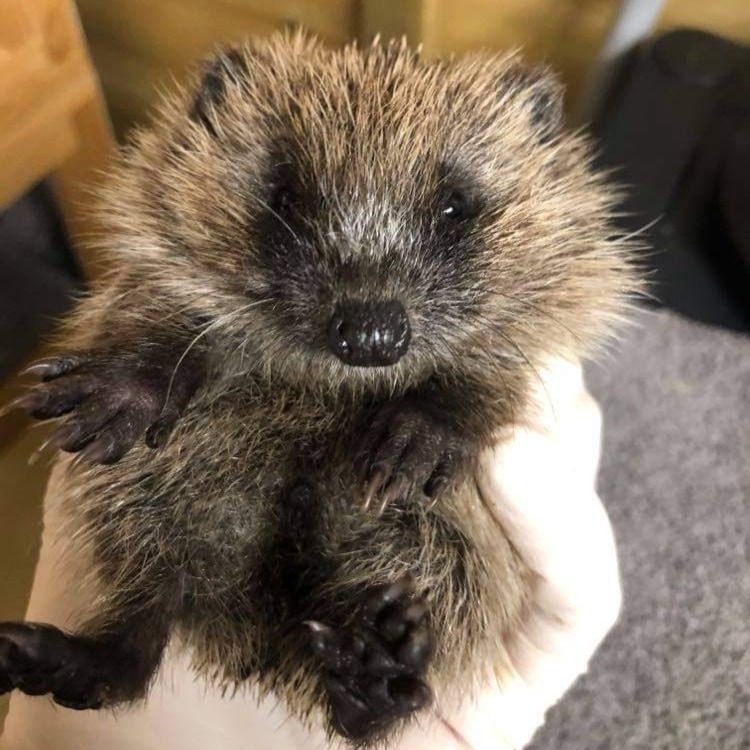
Photo by Lynda Stubbs.


A great blog x inspired me .